Amala Earth : Sustainable Fashion
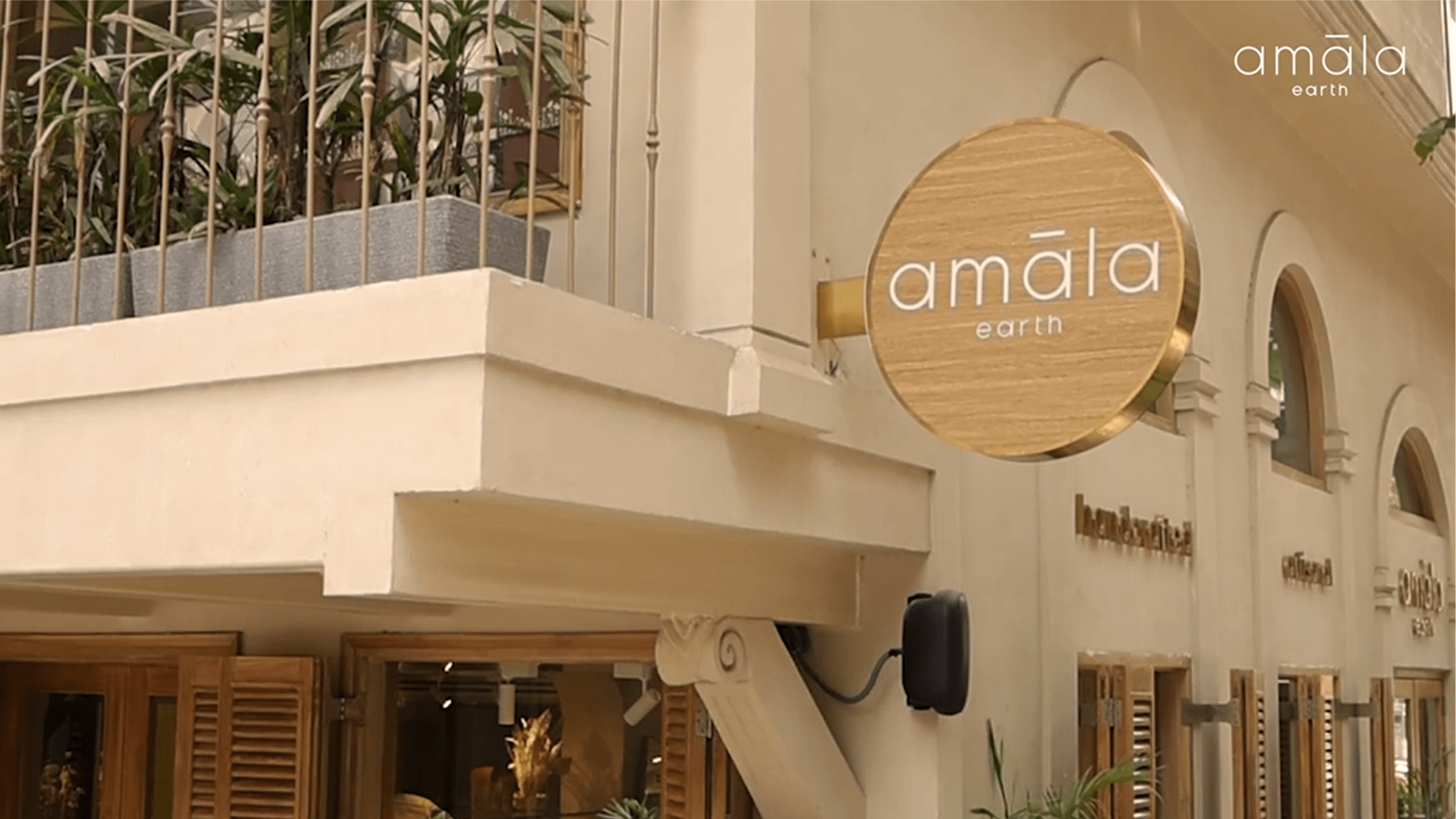
Amala Earth: Sustainable Fashion
Amala Earth positions sustainable fashion through Buddhist philosophy non-harm, mindfulness, reduction.
With 80,000+ eco-products and commitment to earth-centered values, the brand required a visual language reflecting contemplation and intention rather than trend.
The film needed to avoid 'greenwashing' aesthetic (hyper-saturated nature footage) and instead communicate genuine sustainability through restraint, minimalism, and earth-toned honesty.
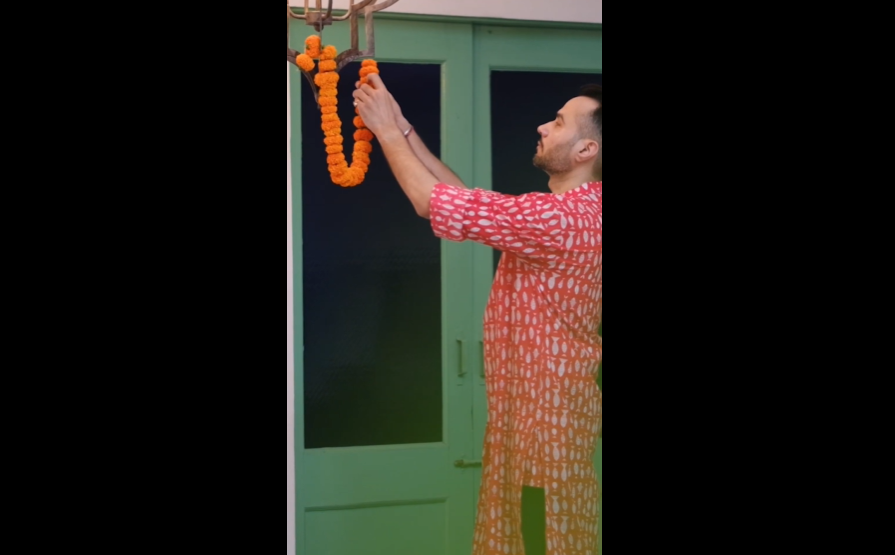
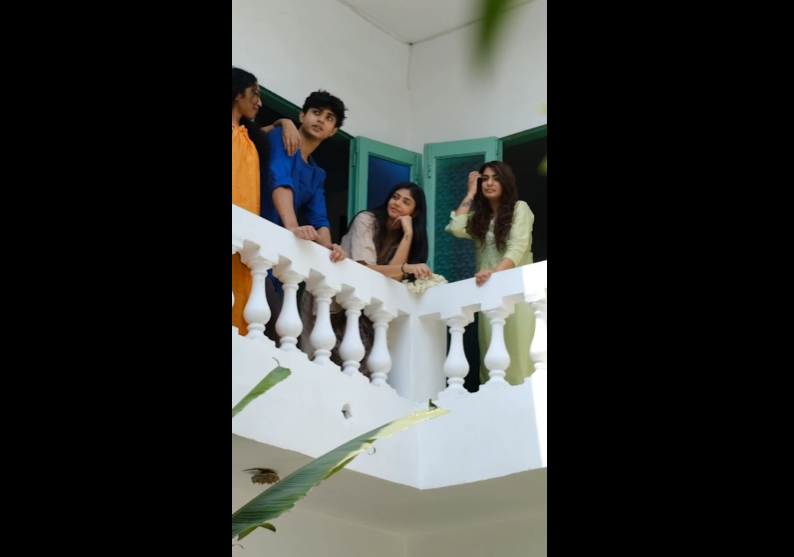

Material Authenticity
Natural, undyed fabrics and organic materials are shown with honest, natural light. No manipulation, no artificial enhancement. This is the material in its truest form, communicating purity through simplicity.
Material Authenticity
Natural, undyed fabrics and organic materials are shown with honest, natural light. No manipulation, no artificial enhancement. This is the material in its truest form, communicating purity through simplicity.
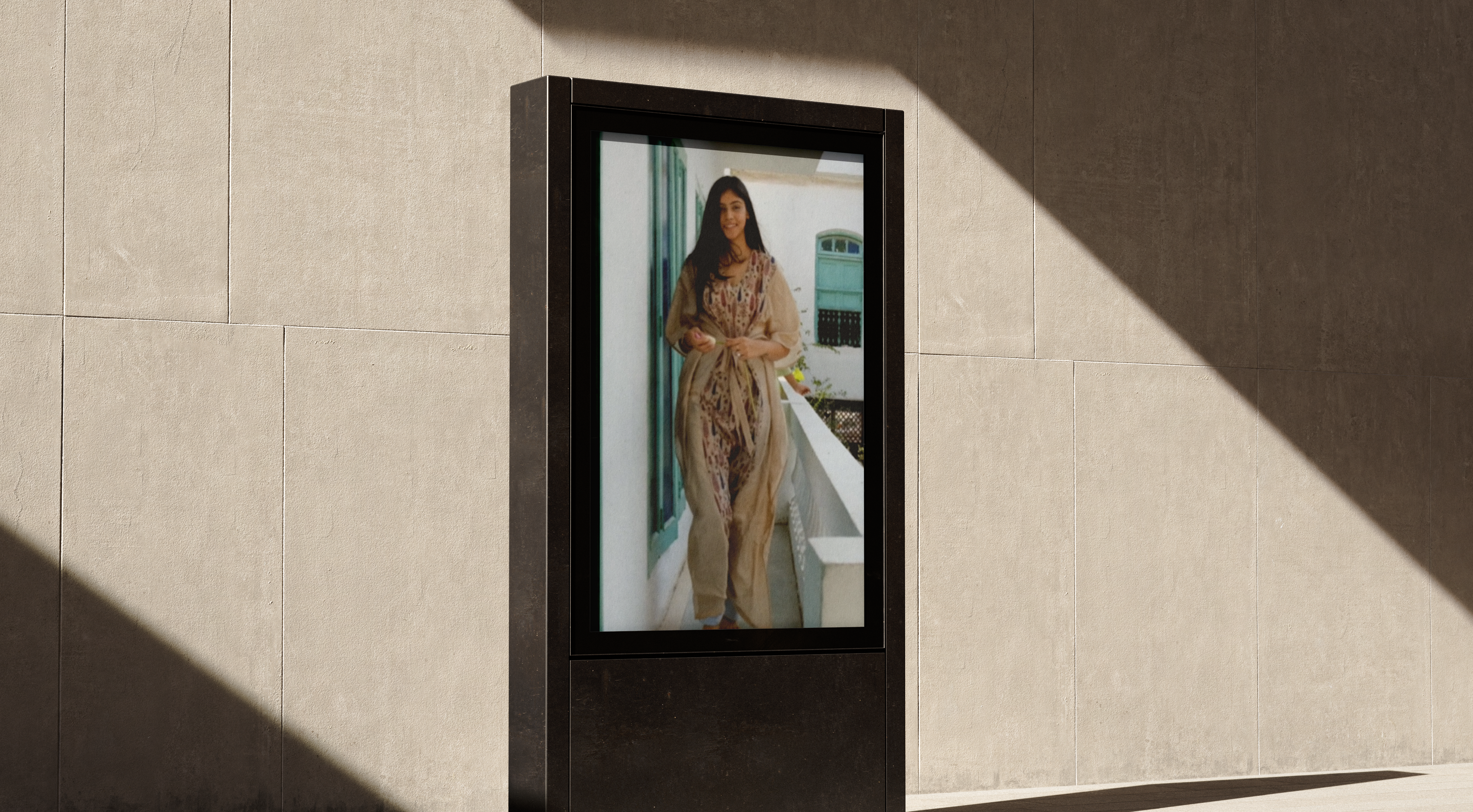
Contemplative Presentation
Rather than dynamic model movement, the garment is presented with stillness and intention. The model's presence is calm and centered—communicating mindfulness rather than fashion urgency.
Contemplative Presentation
Rather than dynamic model movement, the garment is presented with stillness and intention. The model's presence is calm and centered—communicating mindfulness rather than fashion urgency.
Impact Commitment
The film ends with messaging about impact: zero-waste production, eco-certification, Buddhist philosophy integration. The commitment becomes visible and verifiable, not vague greenwashing.
Impact Commitment
The film ends with messaging about impact: zero-waste production, eco-certification, Buddhist philosophy integration. The commitment becomes visible and verifiable, not vague greenwashing.
Design Thinking
We avoided typical “eco” tropes using natural light, honest materials, and minimal styling to signal real sustainability. The visual language followed Buddhist principles: non-harm, mindfulness, and reduction not just imagery, but philosophy. Slow, contemplative pacing encouraged reflection shifting from fast fashion urgency to mindful consumption. Transparency led the narrative showing real materials and processes to build trust, not hide behind aesthetics.
Design Thinking
We avoided typical “eco” tropes using natural light, honest materials, and minimal styling to signal real sustainability. The visual language followed Buddhist principles: non-harm, mindfulness, and reduction not just imagery, but philosophy. Slow, contemplative pacing encouraged reflection shifting from fast fashion urgency to mindful consumption. Transparency led the narrative showing real materials and processes to build trust, not hide behind aesthetics.


The Finished Product
AMALA EARTH's campaign resonated strongly with sustainability-conscious consumers aged 25-45, achieving strong retention and brand loyalty metrics. The restraint-based aesthetic avoided greenwashing perceptions that plague many eco-brands, instead building genuine trust through visual honesty and philosophical alignment. The film became a case study in how sustainability messaging could be credible without sacrificing beauty.
The Finished Product
AMALA EARTH's campaign resonated strongly with sustainability-conscious consumers aged 25-45, achieving strong retention and brand loyalty metrics. The restraint-based aesthetic avoided greenwashing perceptions that plague many eco-brands, instead building genuine trust through visual honesty and philosophical alignment. The film became a case study in how sustainability messaging could be credible without sacrificing beauty.
"Many sustainable brands greenwash they use lots of nature imagery and eco-friendly colors but it's all surface. Swati understood we needed the opposite: honesty, transparency, and visual philosophy alignment. The film felt genuine because it didn't try too hard to be 'eco."
- Amala Earth Founder & CEO, New Delhi, 2023"Many sustainable brands greenwash they use lots of nature imagery and eco-friendly colors but it's all surface. Swati understood we needed the opposite: honesty, transparency, and visual philosophy alignment. The film felt genuine because it didn't try too hard to be 'eco."
- Amala Earth Founder & CEO, New Delhi, 2023Next Projects
View all here